Comprehensive Polymer Analysis and Validation
Section 1: Mechanical Characterization
In the dim corridors of a South African lab, a stubborn truth lingers: a surprising 34% of polymer batches betray hidden flaws only when stretched to the limit. I have watched that tension unfold, and Mechanical Characterization becomes the lantern that reveals what raw resilience can truly endure.
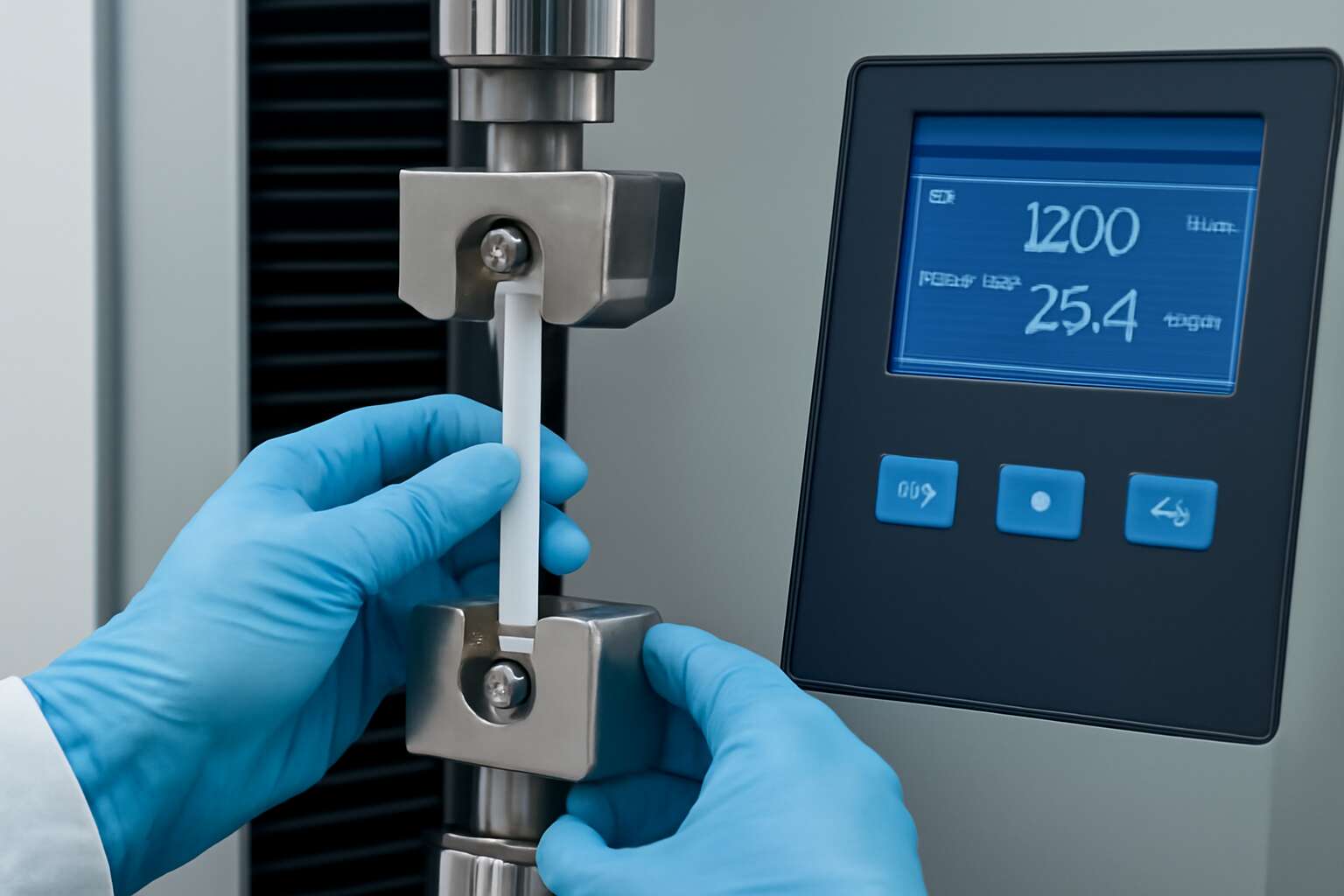
For polymers testing, this phase is the heartbeat—tension, flex, and the chorus of chain molecules contorting under strain. We measure stiffness, strength, ductility, and the memory of a material when heat and time conspire. Here is what we chase:
- Tensile strength and modulus
- Elongation before break
- Impact resistance and toughness
- Retest consistency and data integrity
These numbers aren’t merely digits; they are shadows that reveal whether a polymer will weather the harsh light of real use. In the realm of polymers testing, mechanical characterization anchors reliability, guiding validation across packaging, automotive components, and industrial applications throughout South Africa and beyond!
Section 2: Thermal Properties and Stability
In the language of polymers testing, thermal aging is the quiet judge of promises. Across South Africa’s heat-soaked labs, up to a quarter of polymer components betray weaknesses only after thermal stress. “Heat never lies,” says the director, as DSC and TGA lend their candid voices.
We chase transitions, stability, and memory under heat. DSC reveals Tg and crystallinity; TGA tracks weight loss; HDT gauges stiffness under load. Long-term aging tests translate years into months, guarding against heat-induced surprises.
- DSC: Tg and crystallinity
- TGA: thermal stability and decomposition onset
- HDT: service-temperature stiffness under load
These insights, honed in South Africa’s labs, elevate material analysis from routine QC to a refined assurance that heat and time won’t steal the show.
Section 3: Chemical and Spectroscopic Characterization
Section 3 opens the doorway to the chemical soul of a polymer. In polymers testing, chemical and spectroscopic characterization reveals identity, functional groups, and additives that numbers alone can’t prove. It translates color and shine into composition, connecting lab observations with real-world performance while keeping QA transparent in South Africa’s bustling markets.
- FTIR and Raman for functional groups and bonds
- NMR for monomer sequence and purity
- UV-Vis for chromophores and aging markers
- XPS for surface composition
- GC-MS for volatile additives and contaminants
These insights weave into the broader narrative of comprehensive analysis, ensuring material integrity from factory floor to final product.
Section 4: Mechanical Performance under Environmental Conditions
Under South Africa’s merciless sun and sudden coastal squalls, polymers endure a ritual of endurance. In polymers testing, Section 4 translates field strain into lab-grade truth, showing how heat, wind, and moisture sculpt strength and fracture resistance.
- Temperature cycling and humidity-driven creep
- Ultraviolet exposure and embrittlement of outdoor components
- Moisture sorption and dimensional stability in humid climates
- Chemical exposure and solvent compatibility in manufacturing and use
From this crucible, mechanical performance under environmental conditions becomes more than a spec; it is a narrative of resilience guiding quality assurance along the South African supply chain.
Section 5: Quality, Standards, and Data Management
“Quality is the quiet engine behind every polymer that leaves a South African plant,” and it keeps the supply chain honest. Section 5 anchors Comprehensive Polymer Analysis and Validation in Quality, Standards, and Data Management, where ISO/IEC 17025 alignment and rigorous method documentation turn noisy observations into evidence.
In polymers testing environments, data integrity and standardized reporting are inseparable. Calibration and method validation establish traceable accuracy, while inter-lab comparisons reveal hidden biases before they travel to clients. The lab speaks through repeatable results, built on documented SOPs and disciplined data capture.
- Traceable calibration records
- Audit trails and controlled access
- Versioned methods and data reports
- Retention schedules and data backups
Data management is a living system: data lineage, secure storage, and audit trails ensure accountability from instrument to report.
Here in South Africa, this architecture translates standards into dependable outcomes customers can trust!



0 Comments