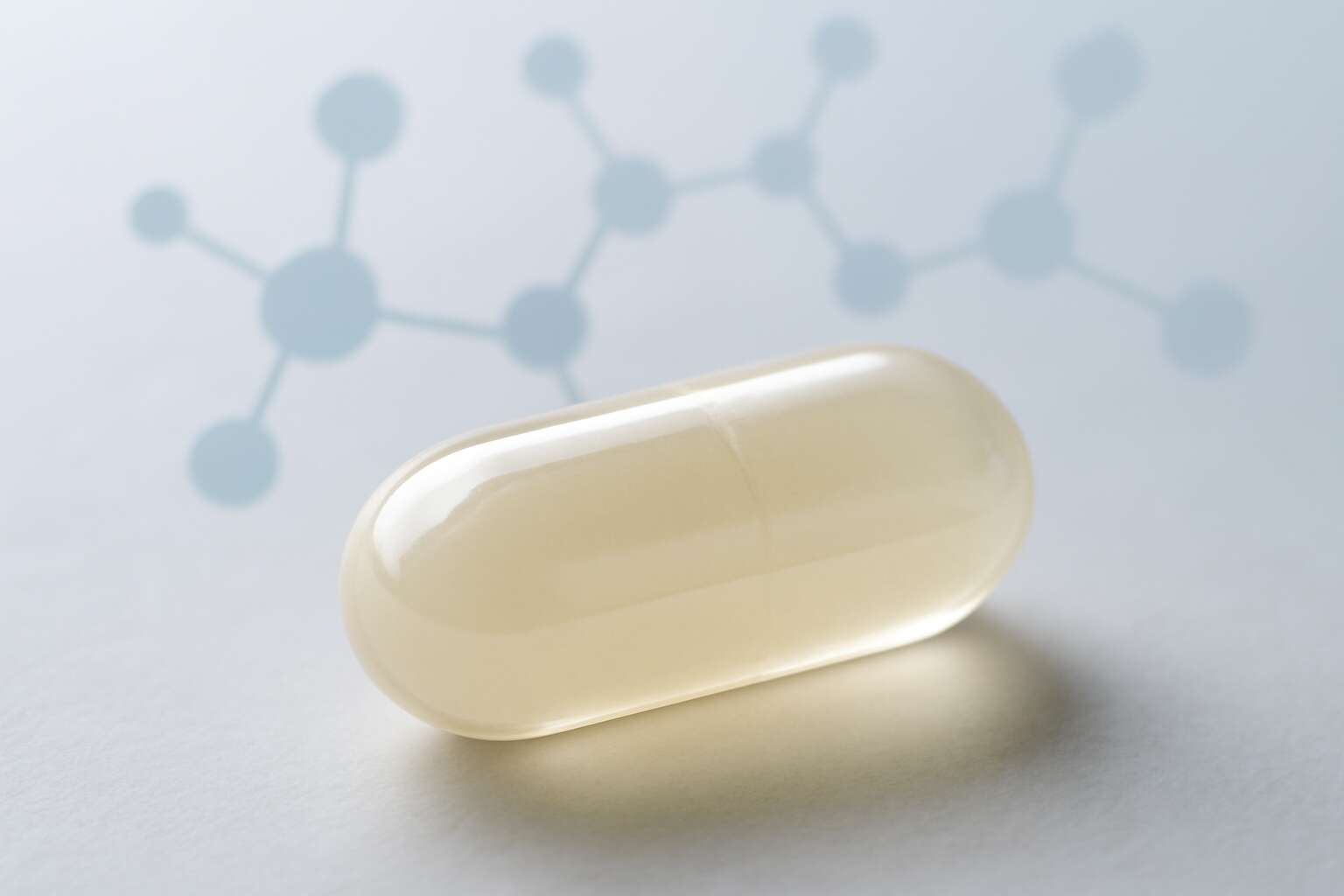
Foundations of enteric coating polymers
What are enteric coating polymers and their role
Across South Africa’s bustling medicine shelves, enteric coatings act as the gatekeepers, preventing stomach acid from corrupting the dose and ensuring release in the small intestine. A practical stat: roughly 60% of oral formulations rely on protective coatings to reach their target. That’s not magic; it’s smart chemistry at work.
Foundations of enteric coating polymers rest on pH-responsive behavior. These polymers stay intact in the acidic stomach and dissolve when the environment turns more alkaline. Among the polymers used for enteric coating, cellulose derivatives such as cellulose acetate phthalate and hydroxypropyl methylcellulose phthalate mingle with methacrylate copolymers (think Eudragit) to form a resilient film. The result is a film that shields the drug until it passes into the intestine, where release can proceed with gusto.
Key attributes to consider when selecting a polymer blend include:
- pH-triggered solubility—stability in the stomach, dissolution in the intestine
- film-forming robustness across processing conditions
- compatibility with active ingredients and excipients
Key properties enabling pH-triggered release
Sixty percent of oral formulations rely on protective coatings to reach their target—smart chemistry in action. Foundations rest on pH-responsive behavior: the film remains intact in the stomach but yields when the environment turns less acidic. In practice, cellulose derivatives (cellulose acetate phthalate, hydroxypropyl methylcellulose phthalate) pair with methacrylate copolymers such as Eudragit to form a cohesive barrier. These materials sit among polymers used for enteric coating that enable this precision.
Key properties enable pH-triggered release: dissolution at intestinal pH, robust film-forming across processing, and compatibility with actives and excipients. Consider:
- pH-responsive solubility with a target window around pH 5.5–7.0
- mechanical and chemical robustness during coating, drying, and storage
- compatibility to avoid interaction with the drug or fillers
That balance lets a dose survive stomach acidity and release in the small intestine. For the SA market, the right polymer blend translates to predictable performance and consistent quality across batches.
Common polymer classes used in enteric coatings
Across South Africa’s medicinal landscape, roughly 60% of oral formulations rely on enteric barriers to reach the small intestine, where the therapeutic action unfolds. That figure isn’t trivia—it signals that the right polymer choice shapes patient outcomes, batch consistency, and regulatory confidence.
Foundations for these films rest on resilience and selective solubility. Common polymer classes used in enteric coatings offer balance and release, and they pair well in blends:
- Cellulose derivatives (cellulose acetate phthalate, hydroxypropyl methylcellulose phthalate)
- Methacrylate copolymers (the Eudragit family)
- Polyesters and polyurethanes that bolster film robustness
Choosing among them hinges on the target pH window, processing compatibility, and the sensitivity of actives and excipients. In the SA market, the right blend translates to predictable performance and consistent quality—enabled by polymers used for enteric coating that sustain gastric integrity and yield in the intestine, delivering reliable action.
Selection criteria: performance, biocompatibility, and manufacturability
Across South Africa’s medicinal landscape, roughly 60% of oral formulations rely on an enteric shield to reach the small intestine. That figure isn’t trivia—it signals that the foundations of these films matter as much as the drug inside. When we talk about the foundations of enteric coating polymers, we’re really talking about resilience, selective solubility, and a quiet confidence that survives the journey through the stomach.
Selection hinges on performance, biocompatibility, and manufacturability, three guardrails that keep products consistent from batch to batch and from clinic to patient.
- Performance: reliable pH-triggered release within the target window
- Biocompatibility: safe interaction with gastric and intestinal tissues
- Manufacturability: scalable processing, coating uniformity, and regulatory alignment
Ultimately, the right polymers used for enteric coating work as a team—blending film strength with gentle release, while remaining friendly to existing processes.
Common polymers and formulation examples
Synthetic polymers used in enteric coatings (for example, film-forming polymers like Eudragit)
A tablet on a shelf is a tiny map of the gut’s journey, and a clever coat calls the shots. A single layer can turn a failed release into reliable relief, changing patient outcomes in a heartbeat. “Coatings that resist stomach acid unlock targeted release,” notes a formulation scientist.
Among polymers used for enteric coating, synthetic film-formers like Eudragit stand out for their precise pH-triggered behavior. These materials form robust films that stay intact in the stomach but dissolve as the intestinal pH rises, delivering the drug where it matters.
- Eudragit L100-55: proximal release
- Eudragit S100: ileal release
- Hydroxypropyl methylcellulose acetate succinate
- CAP and PVAP blends
Formulators balance polymer choice with biocompatibility and manufacturability, tuning plasticizers, solvents, and process conditions to fit local production realities in South Africa. The result is coatings that harmonize protection, taste masking, and release timing in a single, elegant film.
Natural and biodegradable polymers suitable for enteric use
Coatings that shield a tablet from stomach acidity are the quiet engineers of patient relief. In South Africa’s pharmaceutical labs, the push for predictable release touches every batch and budget. The broader class of polymers used for enteric coating balances rugged protection with timely dissolution in the gut.
Natural and biodegradable polymers suitable for enteric use include:
- Alginate
- Pectin
- Starch derivatives
- Chitosan blends
Formulation teams blend these materials with safe plasticizers and gentle solvents, shaping films that resist stomach acid yet surrender in the intestine. In local manufacturing, these blends support taste masking and consistent release timing, aligning with South Africa’s production realities.
Composite and multi-polymer coating strategies
A key reality is polymers used for enteric coating define the threshold, balancing acid resistance with timely release. Composite and multi-polymer strategies are the quiet gear behind predictable performance—sturdy in the stomach, cooperative in the intestine!
In practice, we mix film-formers with natural carriers to tailor the dissolution window. Common avenues include:
- Eudragit-based films blended with alginate or pectin to combine robustness with pH-triggered solubility
- Layered coatings that sandwich a fast-dissolving inner layer between protective outer and enteric faces
- Chitosan-natural polysaccharide blends for improved processability and smoother dissolution profiles in the gut
Formulation considerations: solubility, film formation, and coating efficiency
Here’s a punchy reality check: 60% of enteric-coated candidates miss their intestinal release window in early testing. That’s not a disaster; it’s a nudge that the coating must be stubborn in acid and cooperative in the small intestine.
These polymers used for enteric coating provide robust acid resistance and pH-triggered solubility.
- Eudragit L and S series — pH-triggered dissolution with robust film-forming properties
- Hydroxypropyl methylcellulose phthalate (HPMCP) — classic acid resistance and predictability
- Polyvinyl acetate phthalate (PVAP) — good acid resistance with gentle intestinal release
- Shellac and alginate blends — natural carriers enabling layered or composite approaches
Formulation considerations: solubility, film formation, and coating efficiency. In practice, balance solubility with the dissolution window, ensure film formation is uniform with the right plasticizer, and optimize coating efficiency for even thickness and adhesion.
Mechanisms of release and design considerations
pH-responsive dissolution mechanisms and release profiles
Across the pharmaceutical landscape, 70% of new oral formulations hinge on pH-triggered strategies to unlock the medicine at the right moment. For polymers used for enteric coating, the aim is to stay steadfast in the stomach and yield precisely when the intestinal pH rises.
In practice, dissolution is a pH-dependent dance: at gastric pH the film remains intact; in the small intestine it dissolves or becomes porous, releasing the payload. Release profiles hinge on coating thickness, polymer chemistry, and plasticizers, plus how the film interacts with the tablet core during transit. For South African manufacturers, performance must withstand variable gastric transit and local storage conditions while aligning with global expectations.
- Target intestinal pH window for onset of release
- Control release onset vs completion to match therapeutic needs
- Balance barrier strength with coating integrity under GI motility
Impact of molecular weight, crosslinking, and polymer architecture
Seventy percent of new oral formulations hinge on pH-triggered timing, a statistic that underscores the craft behind every tablet. In the theatre of enteric protection, polymers used for enteric coating perform a quiet resistance in the stomach and a precise bow in the intestine. The mechanism is a restrained dance: gastric pH keeps the film intact, while rising intestinal pH invites controlled dissolution or porosity to release the payload.
Design goes beyond chemistry; it is architecture. The impact of molecular weight, crosslinking, and polymer architecture sculpts barrier strength and the onset of release. For South African manufacturers, accommodating variable transit and storage while aligning with global expectations is the invisible rigor of the craft.
- Molecular weight influences chain mobility and barrier strength
- Crosslinking modulates water uptake and dissolution rate
- Polymer architecture shapes diffusion paths and porosity
Coating integrity under gastric and intestinal conditions
Seventy percent of new oral formulations hinge on pH-triggered timing, and the numbers aren’t bluffing. In the theater of enteric protection, polymers used for enteric coating quietly defy gastric acidity while staging a precise entrance in the intestine.
Mechanisms of release unfold like a measured overture: the film shelters the core in stomach acid, then a rise in intestinal pH swells or dissolves the matrix, enabling diffusion or porosity-driven release to reach the site of action.
Design considerations for coating integrity under gastric and intestinal conditions demand balance: resilience in acid, predictable permeability at higher pH, and seamless core compatibility. For South African manufacturers, variable transit and storage sharpen these constraints, shaping release timing.
Key design determinants include:
- Gastric stability of the film
- Controlled dissolution or porosity at intestinal pH
- Drug-polymer compatibility with the core API
- Storage and transit variability affecting film integrity
Evaluation methods: in vitro dissolution and in vivo relevance
In the quiet theatre of dosage timing, seventy percent of new oral formulations hinge on pH-triggered timing, and the numbers aren’t bluffing. The stage is set for enteric performance, defying gastric fires while awaiting a precise entrance.
Polymers used for enteric coating weave a shield that resists stomach acid; when intestinal pH rises, the film swells, dissolves, or becomes porous, guiding diffusion and ensuring the payload reaches its site of action.
Evaluation methods anchor this choreography: in vitro dissolution studies that mimic gastric and intestinal conditions, paired with in vivo relevance to align lab results with real-world biology.
- In vitro dissolution under simulated gastric and intestinal conditions to gauge release timing.
- Use of biorelevant media and varying pH to reflect fed/fasting states.
- Correlation with in vivo pharmacokinetics to validate translational relevance.
This narrative supports robust robustness across variable storage and transit in South Africa’s diverse supply chains.
Regulatory, safety, and manufacturing considerations
Regulatory guidelines and standards for enteric coating polymers
Across global pharma, enteric strategies shield fragile actives, guiding formulations like guardians of the stomach, with roughly 60% of new solid-dose products relying on gastro-resistant designs.
Regulatory, safety, and manufacturing scrutiny centers on polymers used for enteric coating. Regulators in South Africa demand precise material specifications, validated dissolution profiles, and traceable batch records, with SAHPRA aligning to ICH quality guidelines.
- GMP-compliant sourcing and traceability of raw materials
- Validated in vitro dissolution testing and coating integrity checks
- Clear release criteria, impurity controls, and batch documentation
Safety and biocompatibility are non-negotiable: materials should be inert to gastric acid, exhibit low toxicology risk, and meet pharmacopoeial standards for residuals and extraction.
Manufacturing considerations center on design of experiments, coating efficiency, and scale-up with robust QA. Quality-by-design principles help ensure consistent film formation under real-world spray conditions.
Safety, impurities, residual solvents, and material safety data
In South Africa’s pharma landscape, the polymers used for enteric coating live under a watchful eye. Regulators require GMP-compliant sourcing and traceability of raw materials, validated dissolution profiles, and meticulous batch documentation, with SAHPRA aligning to ICH quality guidelines to ensure patient safety and product reliability.
Safety and biocompatibility are non-negotiable. Impurities, residual solvents, and material safety data must be evaluated with the same grit as dissolution tests, ensuring the coating remains inert to gastric acid and within pharmacopoeial limits.
- GMP-compliant sourcing and traceability
- Validated residual solvent controls
- Comprehensive material safety data sheets and impurity controls
Manufacturing considerations center on design of experiments, coating efficiency, and scale-up with robust QA. Quality-by-design helps ensure consistent film formation under real-world spray conditions, with vigilant control of residual solvents and impurities to protect both process and patient.
Quality by design and process control strategies
Across South Africa’s pharmaceutical hubs, the enteric barrier is a treaty with patients, written in film and polymer. Regulators demand GMP-compliant sourcing and traceability of raw materials, validated dissolution profiles, and meticulous batch documentation, with SAHPRA aligning to ICH quality guidelines to safeguard patient safety and product reliability. The selection of polymers used for enteric coating is thus governed by safety, biocompatibility, and material stewardship.
- GMP-compliant sourcing and traceability of raw materials
- Validated residual solvent controls
- Comprehensive material safety data sheets and impurity controls
Quality by design becomes a compass for manufacturing; through design of experiments, coating efficiency, and scale-up under robust QA, it anchors the process in reality. Vigilant control of residual solvents and impurities protects both the process and the patient, and sustains reliable film formation under the spray conditions typical of production in SA facilities.
Stability, storage, and shelf-life of coated products
Stability is the quiet pact between a drug and the patient, and in SA facilities the stake is high for polymers used for enteric coating.
Regulatory and safety considerations emphasize robust QA. SA regulators require GMP-compliant sourcing, traceability, validated dissolution profiles, and well-documented change controls, with ICH guidance shaping release expectations.
- Regulatory alignment and documentation across SAHPRA and ICH guidelines
- Stability testing and impurity controls for coated formulations
- Packaging and traceability to protect film integrity during distribution
Storage and shelf-life planning must reflect temperature and humidity realities in the region, with accelerated and real-time studies guiding validation of coating integrity through SA distribution channels, ensuring patient safety and product reliability remains intact long after manufacture.



0 Comments